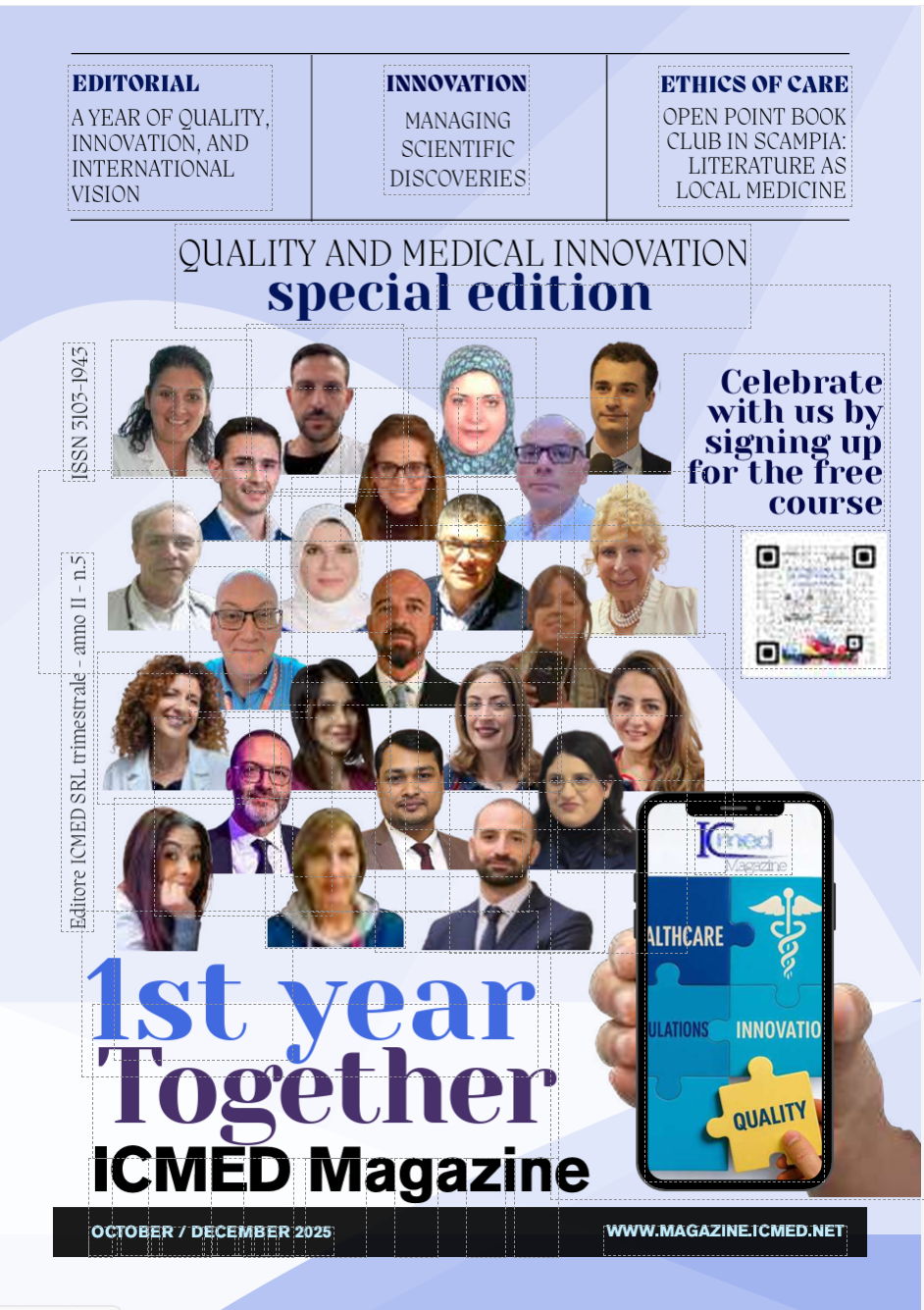
GCP, Phase 1 and Clinical Trial Offices

Good Clinical Practice (GCP) is the international ethical and scientific quality standard for the design, conduct, monitoring, recording, and reporting of clinical trials. ICMED S.r.l. provides specialized consulting to clinical trial offices, research institutions, and healthcare facilities seeking to establish or strengthen their clinical research capabilities in full compliance with GCP requirements.

Good Clinical Practice

Good Clinical Practice (GCP) guidelines, as defined by ICH E6(R2) and the EU Clinical Trials Regulation (Regulation EU 536/2014), provide a unified standard that ensures the rights, safety, and wellbeing of trial subjects are protected, while guaranteeing the credibility and reliability of clinical trial data. GCP compliance is not merely a regulatory obligation — it is the foundation of ethical clinical research. The guidelines establish requirements for trial design and protocol development, informed consent processes, investigator qualifications and responsibilities, sponsor obligations, monitoring procedures, data management, adverse event reporting, and quality assurance. The regulatory landscape for clinical trials has evolved significantly with the implementation of the EU Clinical Trials Regulation and the Clinical Trials Information System (CTIS). These changes introduce new requirements for trial authorization, transparency, and oversight that demand updated processes and competencies. ICMED's consulting services help clinical research organizations navigate this complex regulatory environment, building quality systems that ensure compliance while supporting efficient and effective clinical research operations.

Clinical Trial Consulting

ICMED offers a strategic approach to clinical trial consulting that addresses both the regulatory framework and the operational realities of conducting clinical research: Regulatory navigation: We help clients identify and understand all applicable regulations, directives, and guidelines relevant to their specific clinical trial activities. This includes EU regulations, national transposition measures, ethics committee requirements, and competent authority expectations. Quality system implementation: We design and implement quality management systems specifically tailored to clinical trial operations, following the principles of ICH E6(R2) and incorporating risk-based approaches to quality management as recommended by current regulatory guidance. Process optimization: Beyond mere compliance, we help clinical trial offices streamline their workflows to improve efficiency without compromising quality. This includes optimizing site selection, start-up timelines, monitoring strategies, and data management processes. Risk-based monitoring: We support the implementation of risk-based monitoring strategies that focus resources on the most critical data and processes, in line with current ICH guidance. This approach improves data quality while reducing unnecessary burden on investigator sites. Inspection readiness: We prepare clinical trial offices for inspections by regulatory authorities and sponsors, ensuring that documentation is complete, processes are robust, and staff are confident in presenting their quality systems.

Services Offered

ICMED provides a comprehensive range of GCP consulting services: - Quality system implementation for clinical studies: design and deployment of a complete quality management framework covering all aspects of clinical trial conduct, from feasibility assessment through study close-out and archiving - Project plan development: support in drafting comprehensive project plans that define timelines, milestones, resource requirements, risk mitigation strategies, and communication protocols - Regulatory compliance assessment: identification of all applicable current regulations and guidelines, gap analysis against requirements, and development of compliance roadmaps - Documentation management systems: design and implementation of document control systems that ensure version control, access management, review and approval workflows, and compliant archiving of essential documents (as defined by ICH E6) - SOP development: creation of standard operating procedures covering all critical clinical trial processes including protocol development, informed consent, adverse event reporting, data management, monitoring, and regulatory submissions - Staff training programs: customized education on GCP principles, regulatory requirements, protocol-specific procedures, and the proper management of clinical studies. Training covers investigators, study coordinators, data managers, monitors, and support staff - CTIS support: guidance on using the EU Clinical Trials Information System for trial authorization, substantial modifications, and annual safety reporting - Pharmacovigilance support: establishment of adverse event detection, assessment, reporting, and follow-up procedures compliant with regulatory timelines and requirements Our consulting is designed to build lasting capability within your organization, enabling your clinical trial office to conduct research that meets the highest ethical and scientific standards.

Who it is for

  • Clinical Trial Offices, investigator sites and scientific management
  • Phase 1 units and early clinical research centres
  • Sponsors of investigator-initiated studies

Common critical points

  • Trial Master File that is incomplete or out of date
  • GCP roles and training of the team that are not tracked
  • Organisation of the Phase 1 unit: premises, staff, emergency procedures, handling of investigational medicinal products
  • Preparing for sponsor audits and authority inspections
  • Quality checks on data and protocol deviations

What ICMED does

  • Quality system for clinical research consistent with GCP
  • Gap analysis of the organisation and of the study documents
  • Procedures, Trial Master File management and archiving
  • GCP training for staff
  • Internal audits on ongoing studies and preparation for inspections

Phase 1 units

Phase 1 units may be subject to specific organisational and structural requirements set by the competent authorities. ICMED supports the analysis of those that apply to each unit, to be verified case by case.

  • Analysis of the applicable requirements and a map of gaps
  • Procedures for handling investigational products, samples and emergencies
  • Staff training on the unit's specific procedures
  • Internal audits and preparation for checks

Collaboration path

  1. Assessment — organisation, documents and ongoing studies
  2. Work plan — priorities and responsibilities agreed with management
  3. Implementation — procedures, documentation, training
  4. Audit and verification — internal audits on studies and corrective actions
  5. Maintenance — procedure updates and periodic audits, if requested

Indicative deliverables

  • Assessment report with an adjustment plan
  • Procedures and templates for study management
  • Trial Master File structure and archiving instructions
  • Internal audit report and corrective action plan
  • Evidence of GCP training

Actual content depends on the facility and the agreed scope.

Path and deliverables are indicative: they are defined after the assessment, based on your facility. The outcome of accreditations, authorisations, certifications or inspections depends on the decisions of the competent bodies and cannot be promised by ICMED. The rules and standards mentioned are not an exhaustive list of the applicable requirements.

Preliminary assessment for your Clinical Trial Office or Phase 1 unit

Describe your facility: we will outline how we could work together.

Request an assessment
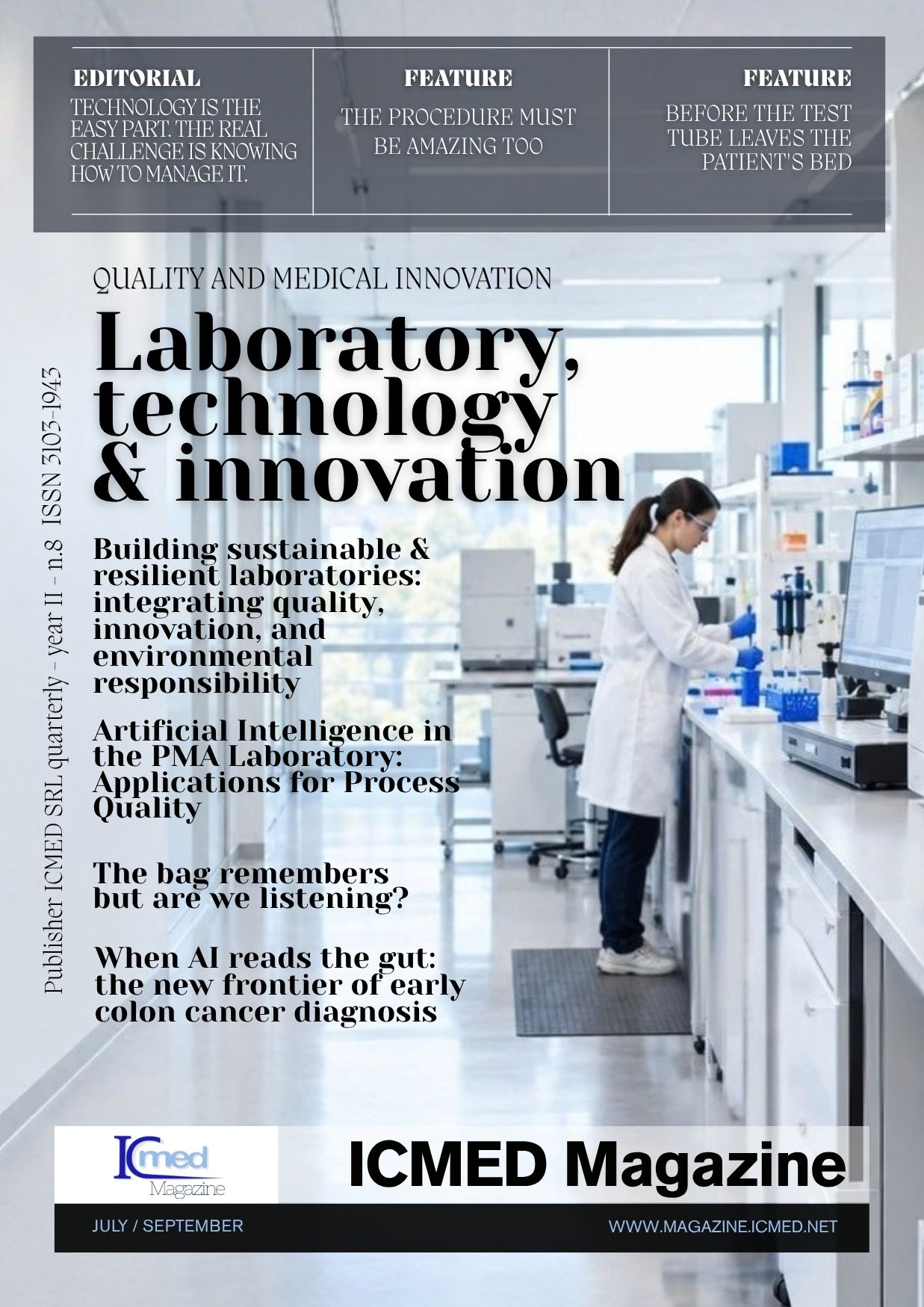
Scientific Insights & Magazine

ICMED Magazine (ISSN 3103-1943) — the scientific journal dedicated to quality and innovation in healthcare

Scientific journal with ISSN 3103-1943 and a DOI for each article. From the Magazine to training: turning an issue into an online (FAD) course is a project under definition and no course based on the Magazine is available today. To apply the topics in your facility: consulting, with IAAPP as a complementary digital service.